
All briefings
7 stories
-
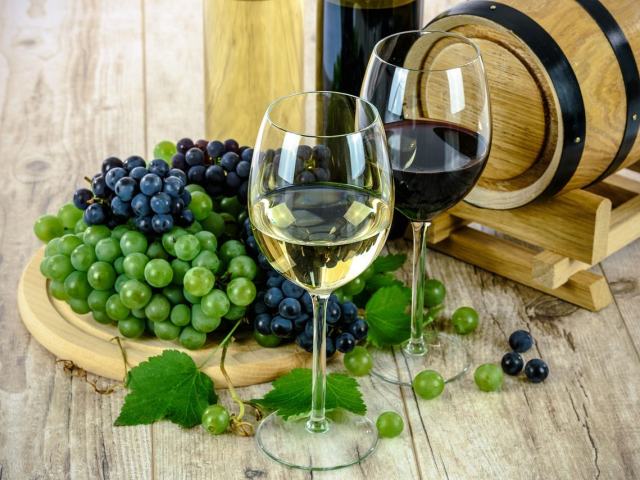
WSET Level 1: What the Course Covers
A plain guide to the WSET Level 1 Award in Wines: what the three learning outcomes cover, how course days run, how the 30-question exam works and where to go next.
-
Wine Certifications Compared: Which Path Fits
A plain comparison of wine certification levels from CMS, WSET and SWE, with a step-by-step CMS outline and a checklist for choosing your path.
-
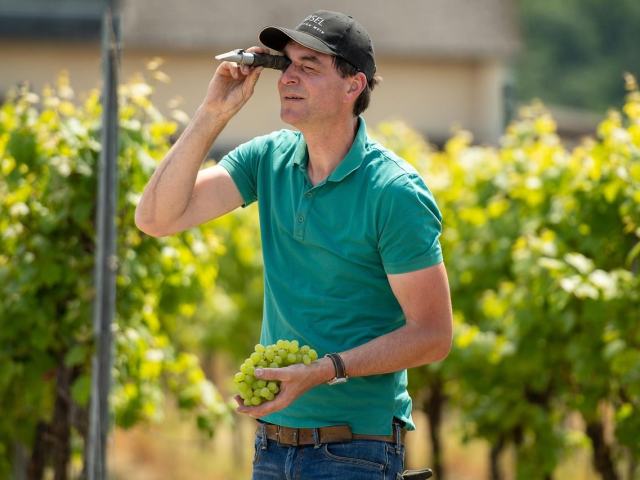
Viticulture and Enology Degrees Explained
What a viticulture and enology degree covers, and how Washington’s associate, undergraduate and master’s programs compare on length, cost and entry requirements.
-

How to Taste Wine: Look, Smell, Sip, Think
A plain-English routine for tasting wine: look at it, smell it, sip it and judge it, using the structure of the WSET Systematic Approach to Tasting.
-

Learning Wine Online: What Works
What online wine classes teach, what they cost, how tasting works at home, and how to pick a format that fits your schedule and goals.
-

Study Methods for Wine Exams
A practical plan for studying for a wine exam, using a published entry-level sommelier exam as a worked example: know the format, follow the curriculum, learn regions as cause and effect, and taste as you study.
-
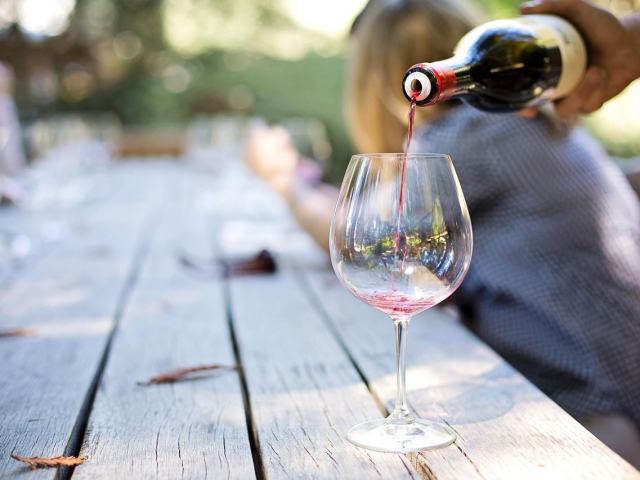
Using a Blind Tasting Grid
A blind tasting grid turns guessing into evidence. See how the sight, nose, palate and conclusion stages work, why deductive tasting beats recognition tasting, and how to make the grid second nature.