
-
WSET Level 1: What the Course Covers
Read the full briefing: WSET Level 1: What the Course CoversA plain guide to the WSET Level 1 Award in Wines: what the three learning outcomes cover, how course days run, how the 30-question exam works and where to go next.
Staff Picks
 WSET Level 1: What the Course Covers
 Wine Certifications Compared: Which Path Fits
 Terroir in Plain English
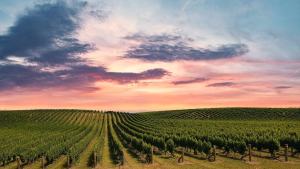 Washington Wine Guide: Regions, Grapes and Styles
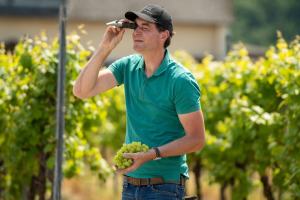 Viticulture and Enology Degrees Explained
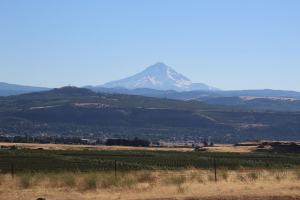 Washington’s Wine Regions Explained
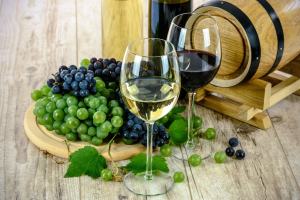 Washington Riesling: From Dry to Sweet
 Independent Wine Shops Around Seattle
 Washington Cabernet Sauvignon: What to Expect
 How to Taste Wine: Look, Smell, Sip, Think
 Seattle Wine Events Through the Year
 Pairing Wine with Pacific Northwest Seafood
 Urban Wineries in Seattle: What They Are
 Learning Wine Online: What Works
 Red Mountain Wine: Why Small Means Bold
 Study Methods for Wine Exams
 Using a Blind Tasting Grid
 Reading a Wine Label, Step by Step
 Hosting a Wine Tasting at Home
 A Woodinville Day Trip from Seattle
 Wine Bars in Seattle Worth Knowing
-

Seattle Wine Events Through the Year
A seasonal look at Seattle wine events, from spring tasting shows to winter holiday pours and year-round Woodinville tasting passes.

-
Washington’s Wine Regions Explained
A clear map of Washington’s wine country: the Cascade climate divide, what an AVA promises on a label, and the key regions from Columbia Valley to Puget Sound.
-
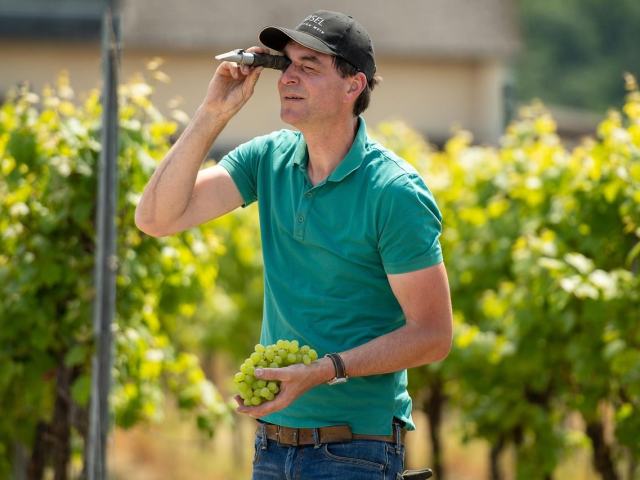
Viticulture and Enology Degrees Explained
What a viticulture and enology degree covers, and how Washington’s associate, undergraduate and master’s programs compare on length, cost and entry requirements.
-

How to Taste Wine: Look, Smell, Sip, Think
A plain-English routine for tasting wine: look at it, smell it, sip it and judge it, using the structure of the WSET Systematic Approach to Tasting.
-

Learning Wine Online: What Works
What online wine classes teach, what they cost, how tasting works at home, and how to pick a format that fits your schedule and goals.
Dispatches
Shorter reads from this section, newest first.
-
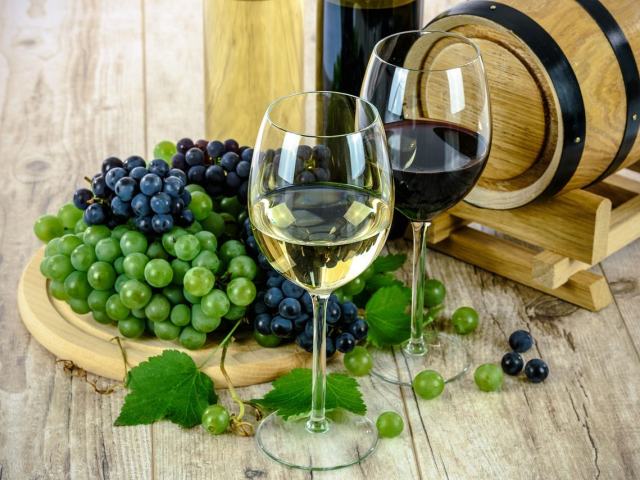
Washington Riesling: From Dry to Sweet
Washington riesling runs from medium dry to late-harvest sweet. See how to read sweetness cues, which areas suit the grape and what to pour with food.
-
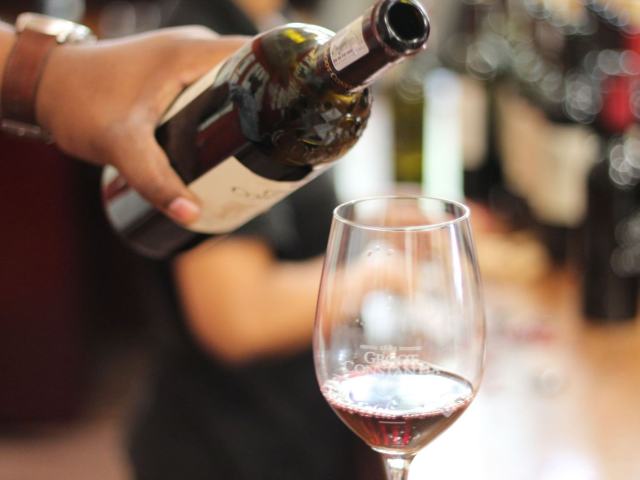
Washington Cabernet Sauvignon: What to Expect
Where Washington Cabernet Sauvignon grows, why plantings rose 81% between 2011 and 2017, and how climate, soil and AVA labels help you choose a bottle.
-
Red Mountain Wine: Why Small Means Bold
Why does a 4,040-acre patch of Washington produce such dark, structured reds? Soil, wind, heat and cold nights explain it.
-
Study Methods for Wine Exams
A practical plan for studying for a wine exam, using a published entry-level sommelier exam as a worked example: know the format, follow the curriculum, learn regions as cause and effect, and taste as you study.
-
Using a Blind Tasting Grid
A blind tasting grid turns guessing into evidence. See how the sight, nose, palate and conclusion stages work, why deductive tasting beats recognition tasting, and how to make the grid second nature.
Search the archive
Find any briefing, perspective or dispatch by keyword.