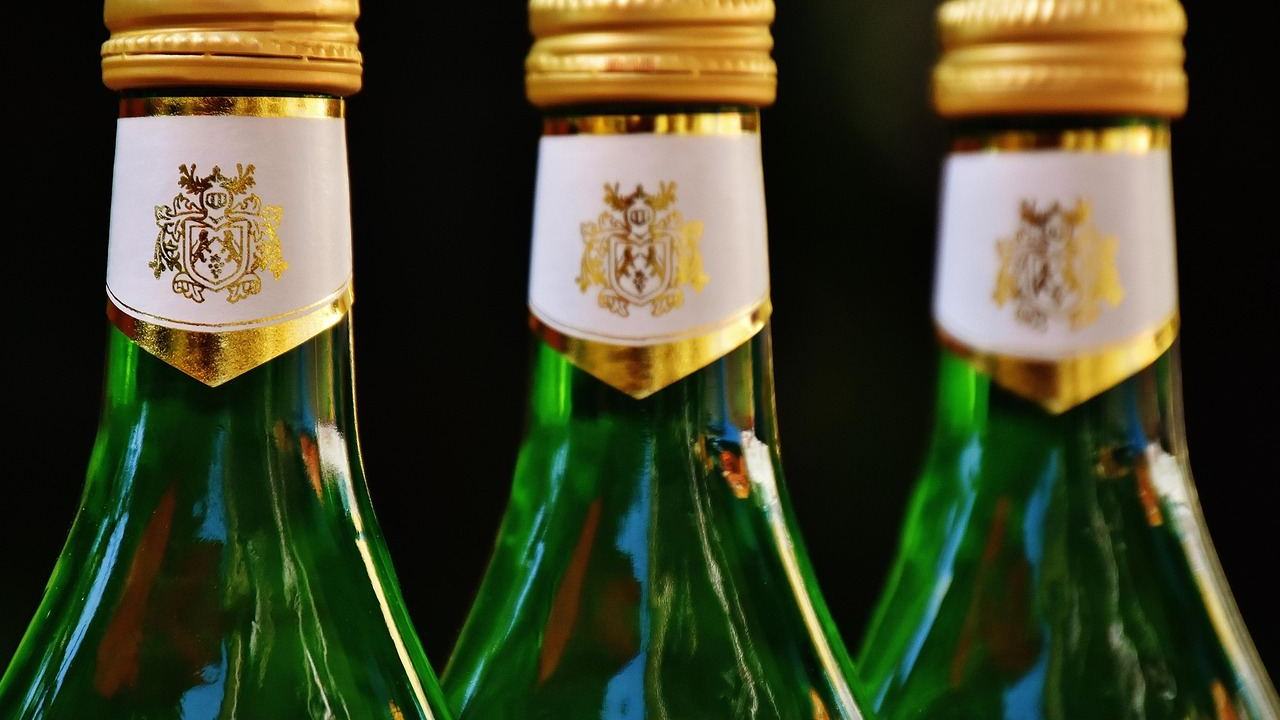
Squinting at a bottle in the shop and wondering how to read a wine label? Start with the brand label: it carries the brand name, the wine type and, often, the place the grapes grew. The rest is fine print.
For the wider picture of the state’s wines, see the washington wine guide.
| Label item | Rule of thumb |
|---|---|
| Brand label must show | Brand name, class/type, appellation (if required) |
| “Estate bottled” grape share | 100 percent from land the winery owns or controls |
| State appellation minimum | 75 percent from fruit grown in the named state |
| “Table Wine” alcohol range | 7-14% alcohol by volume |
| Sulfite declaration threshold | 10 ppm of total sulfites or more |
These figures come from TTB’s appellation of origin page and its 2020 wine labeling presentation. Rules and figures can change, so check the source before you rely on them.
Start with the brand label
The brand label is the one that carries the brand name and the class or type of the wine. In TTB’s labeling guidance, either the front or the back label may be designated as the brand label, so the one facing you is not always the one that counts.
Three items belong on it, and each answers a different question:
- Brand name: the name the wine is sold under, usually the most prominent text. If a wine has no separate brand name, the name of the bottler, packer or importer becomes the brand name when it appears on the brand label.
- Class/type: a categorical description such as red wine or Merlot. TTB’s presentation describes nine general classes of wine, most split into more specific types.
- Appellation of origin: the place the grapes grew, shown when the rules require it (more on that below).
One detail worth spotting is the wine specialty product. According to TTB’s 2020 presentation, adding flavors, colors or spices will generally push a wine into that category, which carries different labeling requirements.
What does the appellation tell you?
An appellation of origin generally names the geographic area where the fruit was grown. It is not on every bottle, but the label must include one if it shows a vintage date, a varietal designation or an “estate bottled” claim, as TTB’s appellation page explains.
When an appellation is required, it has to sit on the brand label. That is why a grape name or a year on the label usually comes with a place name nearby.
An American viticultural area, or AVA, is a type of appellation specific to grape wine. TTB describes it as a defined grape-growing region with a name, distinguishing features and a delineated boundary. If you want to know why a named place matters to flavor, read about what is terroir.
The broader the place named, the looser the rule. Here is how the main tiers compare:
- State: at least 75 percent of the wine must come from fruit grown in the named state.
- AVA: the wine must meet the viticultural area requirements, and an AVA can only be used on grape wine.
- Estate bottled: 100 percent of the wine came from grapes grown on land the winery owns or controls, and both the winery and the vineyard sit inside the labeled AVA. The winery must also crush, ferment, finish, age and bottle the wine on its own premises.
Reading appellations on Washington labels
Washington bottles add a few wrinkles. The newest example is the Beverly AVA: in a TTB announcement dated November 1, 2024, the bureau said it had formally established the 2,415-acre area in Grant County, inside the established Columbia Valley AVA.
Bottlers who want to use it as an appellation must obtain a new Certificate of Label Approval for the label, even if the current label already names another AVA. TTB asked them not to submit applications until November 29, 2024, the effective date of the final rule, so a label naming Beverly may take time to reach shelves. To see where AVAs sit on a map, browse washington state wine regions.
Some wines also cross state lines. A federal ruling treats Washington, Oregon and California as contiguous states that can form a multistate appellation, with the percentage from each state shown on the label, within a tolerance of plus or minus 2 percent. The ruling adds that when the percentages sit on the back label, the states on the brand label should be listed in descending order of predominance, so the biggest source comes first.
Finally, watch place names inside a brand name. TTB’s guidance says a brand name of viticultural significance may not be used unless the wine meets the appellation requirements for the place named, unless the brand name is grandfathered. A brand name is grandfathered if it appeared on a label approval issued before July 7, 1986.
How to read a wine label’s fine print
These items may appear on any label, front or back, so scan the whole bottle:
- Alcohol content: stated as a percentage of alcohol by volume. A “Table Wine” statement may replace the percentage for wine at 7-14% alcohol by volume, according to TTB’s 2020 presentation.
- Bottler: a name preceded by a phrase such as bottled by, packed by, canned by or imported by, plus the city and state of the permit.
- Net contents: shown in metric units.
- Sulfites: a “Contains Sulfites” statement is generally required at 10 ppm of total sulfites or more, per the same 2020 presentation.
- Health warning: the words “GOVERNMENT WARNING” must be in capital letters and bold type, as TTB’s February 2021 symposium presentation describes.
The bottler line tells you who handled the bottling, not where the grapes grew. The appellation does that job.
On sulfites, TTB’s presentation says the bureau does not permit statements such as “sulfite free”. Statements such as “No sulfites added” or “Contains naturally occurring sulfites” are allowed.
A quick checklist for the shelf
Run through these steps with any bottle in your hand:
- Find the brand name and the class or type, such as red wine or a grape name.
- Look for the appellation: a state, or a named AVA for a tighter place.
- If you see a vintage year, a grape name or “estate bottled”, expect an appellation to be there too.
- Check the alcohol percentage or the words “Table Wine”.
- Scan the fine print for the bottler, the sulfite statement and the health warning.
Once you know which parts are rules and which are marketing, the front label gets much easier to judge.
Frequently asked questions
Is an appellation always on a wine label?
Show answer
No. Under TTB’s appellation page, one is required only when the label includes things like a vintage date, a varietal designation or an “estate bottled” claim.
Does “estate bottled” mean the winery grew every grape?
Show answer
Yes, and more. TTB defines it as 100 percent of the wine coming from grapes grown on land the winery owns or controls, with the winery and vineyard inside the labeled AVA and the wine never leaving the bottling winery’s premises.
If a bottle says Washington, is every grape from Washington?
Show answer
Not necessarily. A state appellation requires at least 75 percent of the wine to come from fruit grown in that state, according to TTB’s appellation page.
Does “Contains Sulfites” mean sulfites were added?
Show answer
Not by itself. TTB’s 2020 presentation says the declaration is generally needed at 10 ppm of total sulfites or more, and it separates “No sulfites added” and “Contains naturally occurring sulfites” as allowed statements.