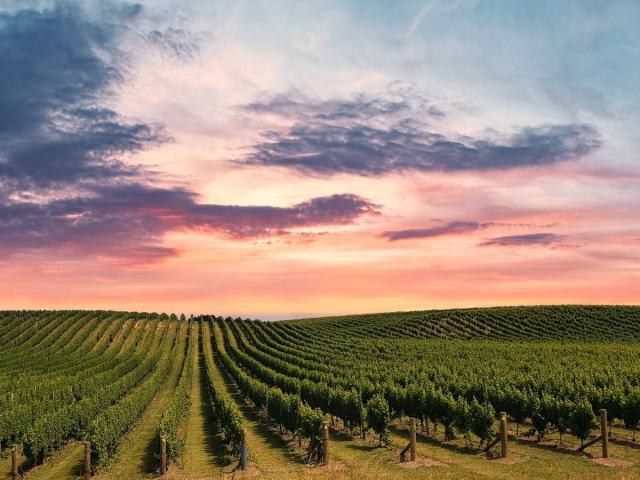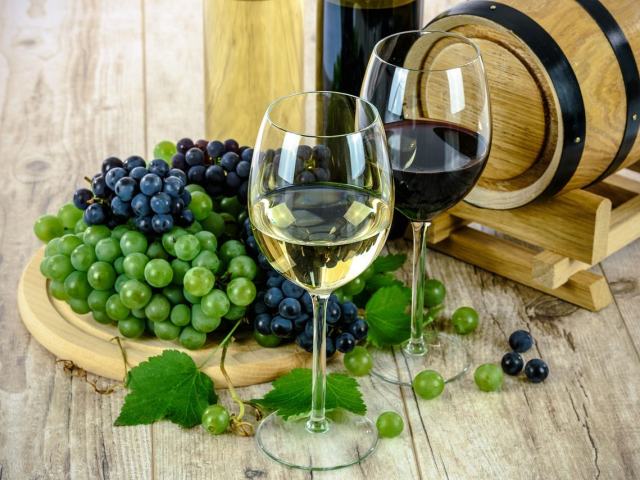
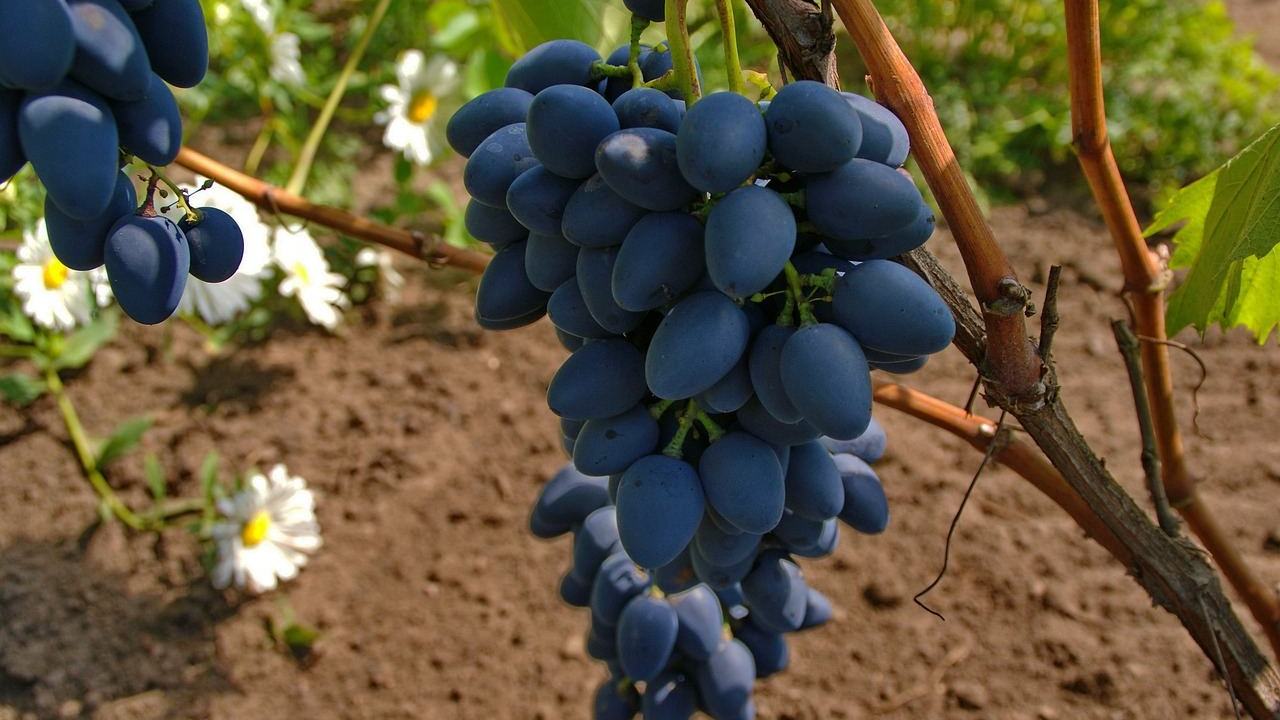
You keep hearing the word, so what is terroir? It’s the place behind the wine: soil, climate and landscape, plus the growing choices made there. That’s why the same grape tastes different from one region to the next.
Terroir is the thread running through the washington wine guide, which looks at the state’s regions one by one.
| Item | Value |
|---|---|
| Columbia Valley AVA established | December 13, 1984 |
| Annual rainfall, Columbia Valley | 6-8 inches |
| Annual rainfall, maritime western Washington | 35 inches |
| Day-to-night temperature swing, eastern Washington | Up to 40 °F |
| Columbia Valley growing season | 180-200 days |
| Columbia Valley heat units | 2,000-3,000 growing degree days |
These figures come from Wikipedia’s Columbia Valley AVA entry and Dr. Liz Thach’s overview of Washington wine. They can change, so check the source before you rely on them.
What goes into terroir
The French word has no tidy English twin, but the idea is simple: terroir is everything about a vineyard site that a winemaker can’t ship in from somewhere else. It is the reason a grape grown on a cool, wet coast and the same grape grown in a dry desert end up tasting like different wines.
Most explanations split it into a few parts:
- Soil and rock: what the roots grow in, how well it drains and how fast it warms.
- Climate: sunshine, heat, rainfall and how cold the nights get.
- Landscape: elevation, slope, and nearby rivers or mountains.
- People: choices such as irrigation, which vines to plant and when to pick.
The last item is debated. Some people keep human choices out of the definition, while others treat them as part of a place’s tradition. Either way, you can taste the difference between sites once you know what to look for.
Terroir in Washington: one state, two climates
Washington is a handy place to learn the idea, because its two halves are so different. According to Dr. Liz Thach’s overview, the west has a maritime climate with 35 inches of annual rainfall, while the east has a continental climate averaging only 8 inches a year.
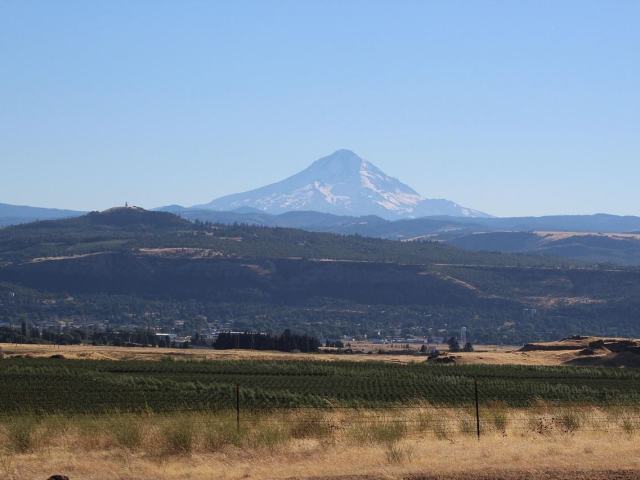
The reason is the mountains. Firstleaf’s Columbia Valley profile describes the region as nestled in the rain shadow of the Cascade Range, which is why vineyards sit on the dry side.
The same overview, dated June 18, 2017, counted 14 Washington appellations, 13 of them in the warmer east. Appellation lists change over time, so treat that count as a snapshot from that date.
The biggest of these appellations is the Columbia Valley AVA. Wikipedia’s entry says the Bureau of Alcohol, Tobacco and Firearms established it on December 13, 1984. AVA stands for American Viticultural Area, a legally defined grape-growing region named on labels.
Climate: long sun, cool nights
Climate is the part of terroir you can feel on a walk through a vineyard. Eastern Washington has a hot, dry summer with around 16 hours of sunlight a day, according to the same Thach overview.
Then the temperature drops. That overview notes day-to-night swings of up to 40 degrees F, a pattern called the diurnal shift, which lets grapes ripen longer and keep their freshness. In the glass, that tends to read as ripe fruit held up by lively acidity.
Two more numbers from Wikipedia’s Columbia Valley entry help frame the season:
- A growing season of 180-200 days.
- Heat units of 2,000-3,000 growing degree days, a running tally of how much warmth the vines receive.
- Annual average rainfall of 6-8 inches.
Soil and water: what the vines stand on
Underfoot, the picture is just as distinctive. Wikipedia lists the Columbia Valley soil as sand and silt loess over gravel-slackwater sediment with basaltic bedrock, loess being fine, wind-blown dust. Thach’s overview describes a broader Washington mix of volcanic basalt, sandy loam, silt and some caliche, a kind of limestone.
Soil type matters mostly through how it behaves. Firstleaf says the sandy loam and loess soils drain well and warm up quickly, and that vineyard elevations run from 400 to 1,500 feet.
Dryness shapes farming too. The same profile says the region’s 6-8 inches of rain lowers disease risk and allows for precise irrigation, so growers can decide how much water the vines get rather than leaving it to the weather.
There is one more quirk. Thach writes that the state’s geological past has, for the most part, kept Washington free of phylloxera, a vine pest. As a result, many vineyards grow on their own roots instead of being grafted to rootstocks (source).
Does terroir really show in the glass?
Often, but not always, and not in a way a single bottle can prove. A lone wine is a hint. The idea becomes clear when you compare, so try a small side-by-side tasting at home:
- Pick one grape, such as Cabernet Sauvignon or Riesling.
- Buy one bottle from a dry inland region and one from a cooler or wetter place, at a similar price.
- Taste them one after the other, and note the acidity, how ripe the fruit seems and how heavy the wine feels.
- Check each label for the place name and compare it with what you tasted.
If you want to see these ideas applied to a single grape, the guide to washington cabernet sauvignon is a natural next stop. A separate guide on how to read a wine label shows where to find place names on the bottle.
Frequently asked questions
Is terroir just another word for soil?
Show answer
No. Soil is one piece, alongside climate, landscape and the way a vineyard is farmed. In Washington’s Columbia Valley, for example, rainfall of 6-8 inches a year and cool nights matter as much as the loess, according to Wikipedia’s entry.
Does terroir only apply to old-world regions?
Show answer
No. Any vineyard has a site, a climate and a soil. Washington is a clear example: its wet western side and dry eastern side produce very different growing conditions inside one state.
What does AVA mean?
Show answer
It stands for American Viticultural Area, a defined grape-growing region. Wikipedia notes the Columbia Valley AVA was established on December 13, 1984. An AVA names a place, but it doesn’t guarantee a wine’s quality.
Can a winemaker change a wine’s terroir?
Show answer
Not the site itself. Choices such as irrigation, picking time and cellar work shape the final wine, and people disagree about whether those count as terroir or sit alongside it.