Trying to make sense of Washington state wine regions? Start with the Cascade Mountains: the cool, wet west and the hot, dry east shape everything, and the state counts 22 AVAs as of a March 2026 update.
For the wider story of the state’s wines, our washington wine guide puts these regions in context.
| Item | Value |
|---|---|
| AVAs in Washington (March 2026 update) | 22 |
| Wineries statewide | More than 1,000 |
| First Washington AVA | Yakima Valley, established 1983 |
| Acres planted to wine grapes (as of 2022) | More than 60,000 acres |
| Minimum share of AVA-grown grapes for an AVA label | Not less than 85% of the wine’s volume |
These figures come from HistoryLink’s essay on Washington’s AVAs and a Washington tourism guide to wine regions. Totals and counts can change, so check the sources before you rely on them.
How the Cascade Mountains split Washington into two wine worlds
Washington and Oregon are neighbors, yet their wine regions feel nothing alike. According to a Dummies guide to Washington wine, the difference comes from where vineyards sit relative to the Cascade Mountains.
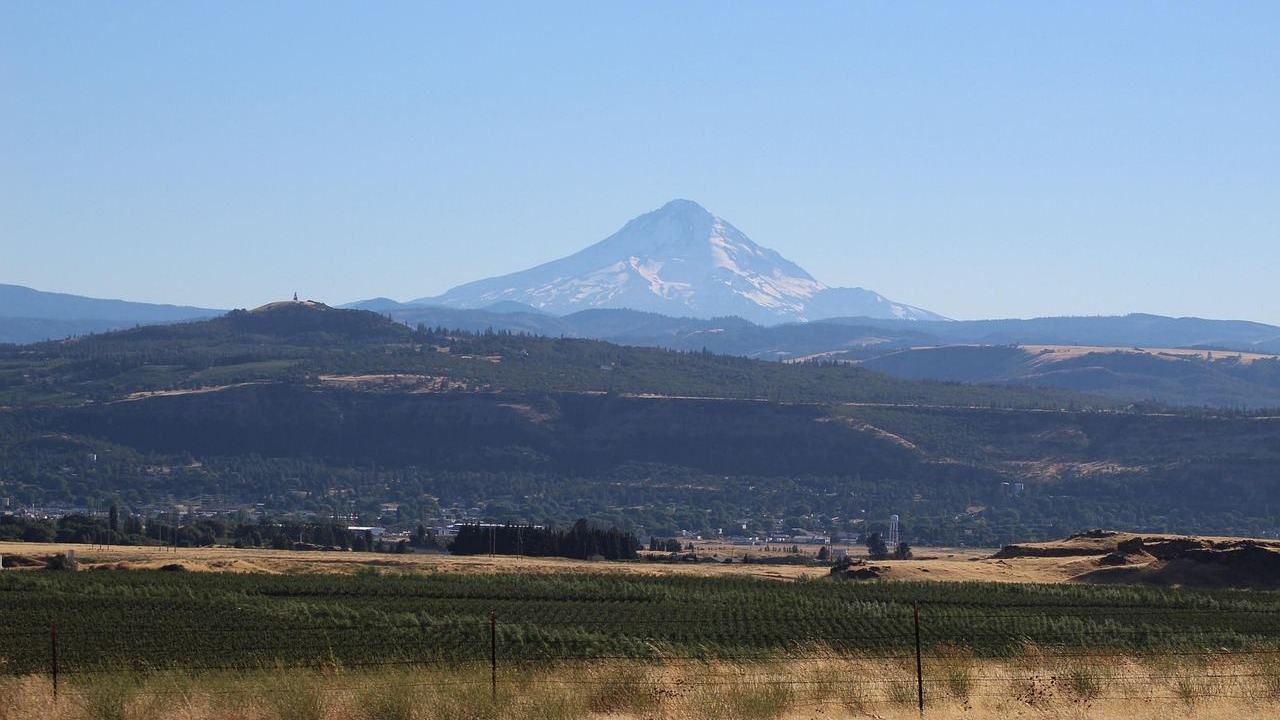
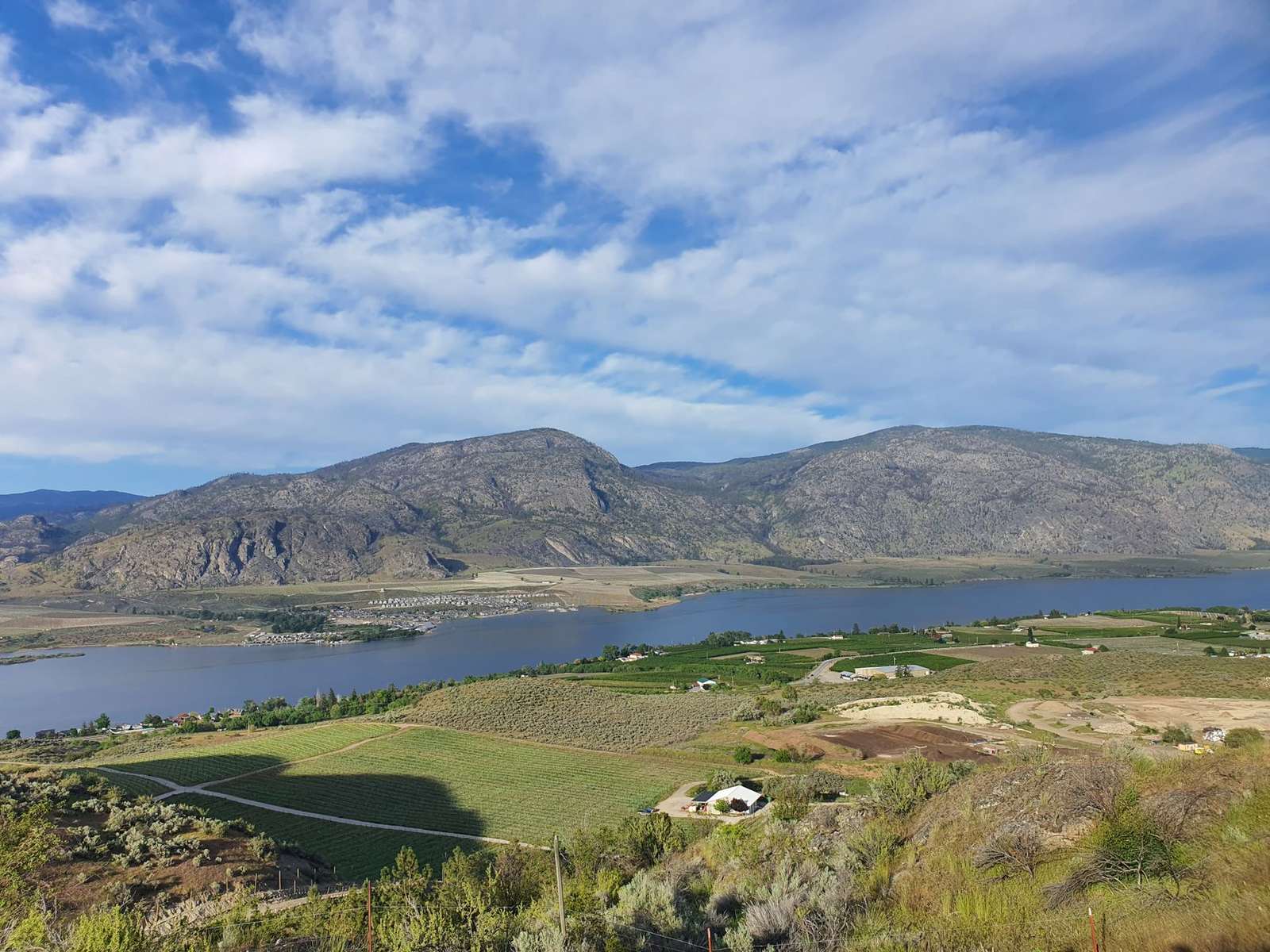
On the western, coastal side the climate is maritime: cool, rainy and green. East of the mountains it is continental, with hot, very dry summers and cold winters, and that is where most of Washington’s vineyards sit, across the Columbia and Yakima valleys.
The same guide notes that the northern latitude gives vines about 17.4 hours of sunshine on average during the growing season. It also says irrigation lets many grapes flourish in the Washington desert. That guide is older, so treat it as background on climate rather than a current statistic.
What an AVA is and what it promises
An American Viticultural Area (AVA) is a wine-growing region officially recognized by the U.S. Treasury’s Alcohol and Tobacco Tax and Trade Bureau. Under the federal rules effective in January 2018, a petition has to show the area is known by its name and explain its boundary. It must also describe the climate, geology, soil, physical features and elevation that make it distinctive, as HistoryLink’s essay explains.
The label promise is modest. For a wine sold as coming from an AVA, not less than 85% of the volume must come from grapes grown in that area, per the same HistoryLink essay.
That means an AVA name tells you where most of the fruit grew, not how the wine tastes. Our guide on how to read a wine label covers the other words printed next to it.
Columbia Valley and the AVAs inside it
Most of the action happens inside the Columbia Valley. A December 2017 Spokesman-Review list described it as Washington’s largest AVA, covering almost all of the state’s vinifera acreage. For more on how it works, see our page on the columbia valley ava.
The table below sets out founding years and character for the main AVAs.
| AVA | Established | Known for |
|---|---|---|
| Yakima Valley | 1983 | Washington’s first AVA; roughly one-third of the state’s vineyard acreage in 2017 |
| Walla Walla Valley | 1984 | Syrah, cabernet sauvignon and merlot |
| Columbia Valley | 1984 | The largest AVA, covering almost all of the state’s vinifera acreage |
| Puget Sound | 1995 | The wetter west side; light, crisp wines |
| Red Mountain | 2001 | Robust reds; home to Klipsun and Ciel du Cheval vineyards |
| Columbia Gorge | 2004 | Both arid eastern and maritime western climates |
| Horse Heaven Hills | 2005 | Roughly one-quarter of the state’s wine-grape acreage in 2017 |
| Wahluke Slope | 2005 | One of the driest and hottest climates in the state |
| Lake Chelan | 2009 | Coarse, sandy soil and a milder climate than nearby areas |
| Ancient Lakes of Columbia Valley | 2012 | White varietals such as Riesling and chardonnay |
Founding years and descriptions come from a December 2017 Spokesman-Review list, and the Walla Walla grape detail comes from a Washington tourism guide; details can change, so check the sources before you rely on them.
The tourism guide adds that the Red Mountain area includes Candy Mountain, the state’s smallest AVA. It also says Walla Walla has 130-plus wineries and more than 45 downtown tasting rooms.
A few patterns help when you read a label:
- Reds from the warm east: Red Mountain and Wahluke Slope lean toward robust reds, merlot, syrah and cabernet sauvignon.
- Whites from cooler or higher spots: Ancient Lakes lends itself to Riesling and chardonnay.
- Mixed climates: Columbia Gorge combines arid and maritime conditions in one small area.
West of the mountains: Puget Sound and Woodinville
Washington is not only desert. The Puget Sound AVA was established in 1995 on the wetter west side and is known for light, crisp wines, per the 2017 Spokesman-Review list.
The Dummies guide adds that cool, moist conditions here favor Pinot Gris, Pinot Noir, Riesling and Gewürztraminer. It also notes that some larger wineries are based near Seattle, even though many grapes come from the east.
That is why Woodinville matters to Seattle drinkers. The tourism guide says it offers wines from more than 130 producers, and its tasting rooms either pour wines made on-site or serve as satellite locations for wines produced in other Washington regions. It also notes that Chateau Ste. Michelle there was established in 1976.
Why does the AVA count keep changing?
Because new AVAs keep being petitioned and recognized, the AVA count depends on the date of the source. The Spokesman-Review listed 14 in December 2017, HistoryLink counted 20 as of 2022, and the tourism guide says 22 in its March 2026 update.
If you see a different number elsewhere, check its date before assuming it is wrong. Some guides also group AVAs into touring regions: the tourism guide describes eight wine-touring areas, which is a travel convenience rather than a legal category.
Frequently asked questions
How many AVAs does Washington have?
Show answer
A Washington tourism guide updated in March 2026 says 22 AVAs. HistoryLink counted 20 as of 2022, so older sources will show smaller numbers.
Which AVA is Washington’s oldest?
Show answer
Yakima Valley, established in 1983, is the state’s oldest AVA, according to the March 2026 tourism guide. Walla Walla Valley followed in 1984.
Does Washington wine only come from eastern Washington?
Show answer
No. Most vineyards are east of the Cascades, but the Puget Sound AVA sits on the wetter west side, and Woodinville has tasting rooms for wines made on-site and wines produced in other regions.
Does an AVA on the label mean every grape came from there?
Show answer
Not quite. Under the federal rules effective in January 2018, not less than 85% of the wine’s volume must come from grapes grown in the labeled area.