Wondering what to expect from a washington cabernet sauvignon? You are looking at a wine grown mostly in the dry Columbia Valley, where Cabernet is a top variety and vintages vary less than in many regions.
For the wider picture of the state’s regions, the washington wine guide is a good place to start.
| Item | Value |
|---|---|
| Cabernet Sauvignon planted in Washington (2017 acreage study) | 18,608 acres |
| Cabernet Sauvignon acreage growth, 2011 to 2017 | 81% |
| Columbia Valley AVA size | 11 million acres (4.5 million hectares) |
| Columbia Valley share of Washington’s vinifera acreage | Over 99% |
| Columbia Valley average annual precipitation | 6-8 inches |
These figures come from the Washington State Wine Commission and the Northwest Wine Report’s summary of the 2017 state acreage study. They can change, so check the sources before you rely on them.
How Cabernet became Washington’s leading red
The Northwest Wine Report’s summary of a 2017 state grape acreage study found Cabernet Sauvignon at 18,608 acres, up from 10,293 acres in 2011. That is an 81% increase in the report’s own numbers.
Cabernet drove most of the state’s growth. Of the 11,596 acres Washington added between 2011 and 2017, Cabernet accounted for 8,315 (72%), and red varieties as a group grew 43% to 35,852 acres, according to the same report.
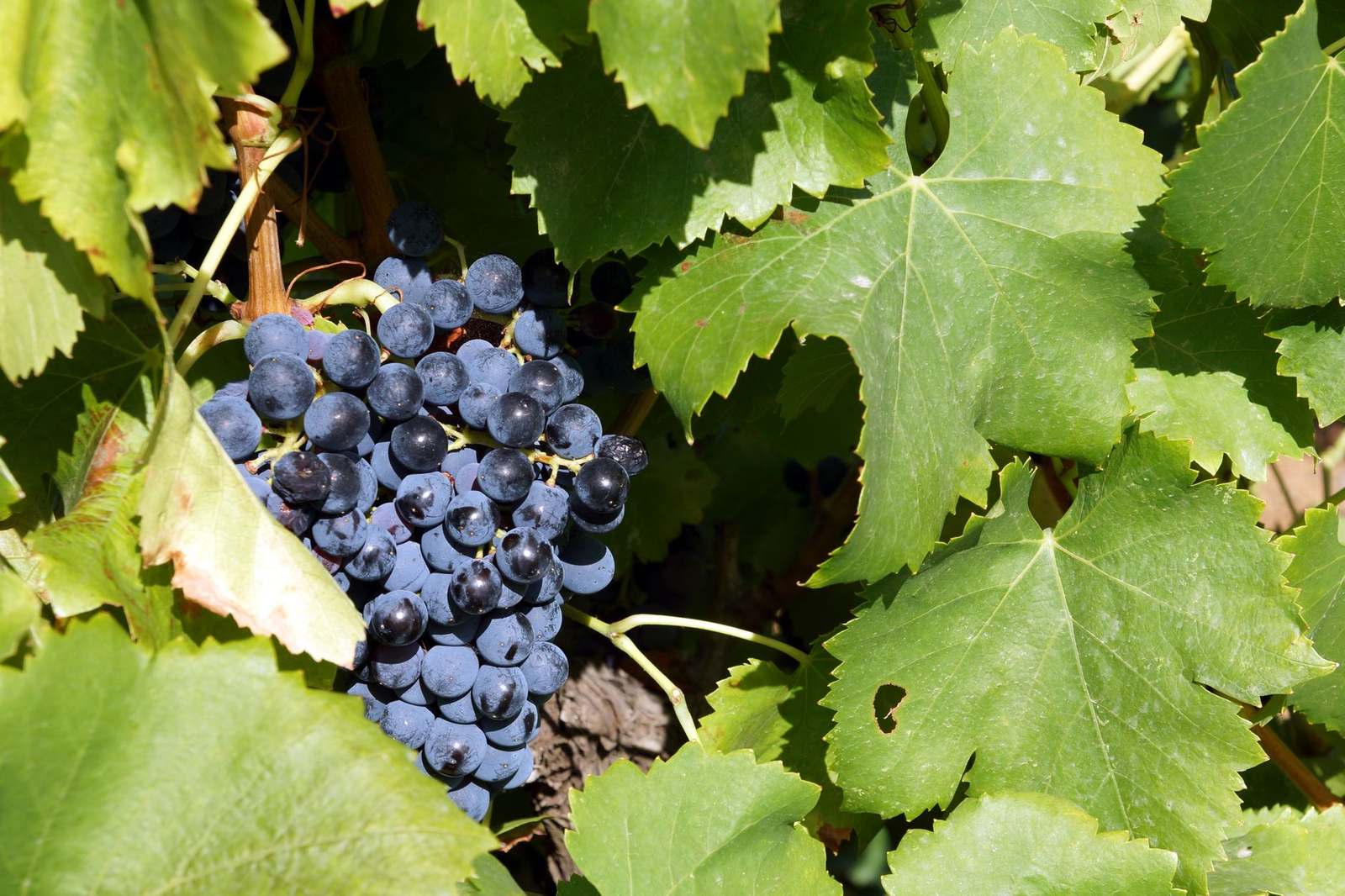
Other reds grew more slowly in that study:
- Merlot: up 10%, to 9,071 acres.
- Syrah: up 47%, to 4,572 acres.
- Riesling (white): up 6%, to 6,695 acres.
Treat these as a 2017 snapshot. Newer plantings may have shifted the picture, so look for a more recent acreage report before quoting current shares.
Where does Washington Cabernet Sauvignon grow?
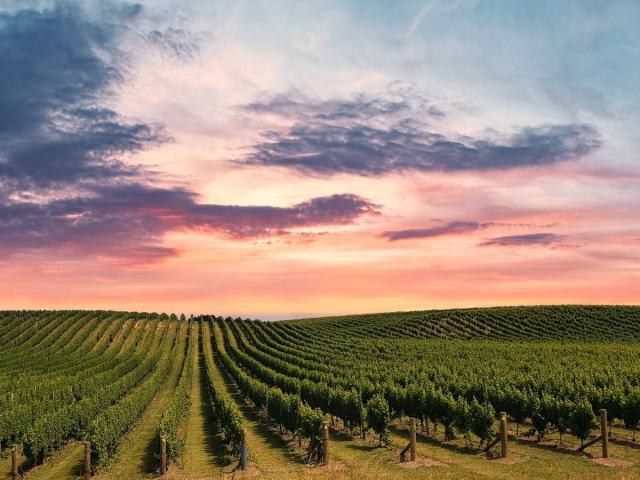
Most of it grows in the Columbia Valley AVA, which was designated in 1984 and covers 11 million acres. The Washington State Wine Commission lists Cabernet Sauvignon first among its top varieties, ahead of Chardonnay, Merlot, Riesling and Syrah.
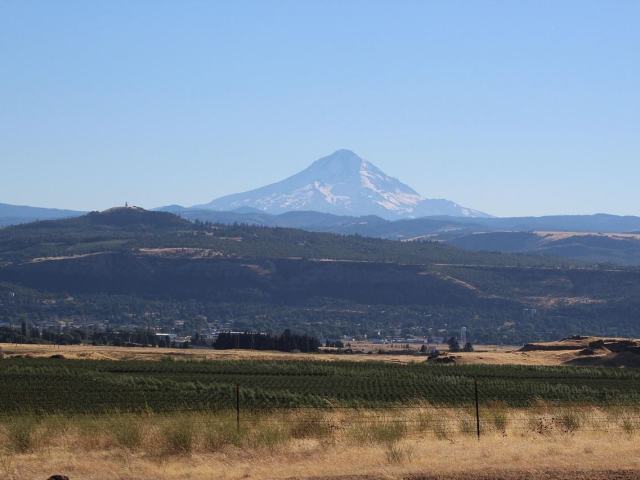
The region holds over 99% of Washington’s vinifera acreage and sits wholly east of the Cascade Mountains. Almost all of the state’s other growing regions are sub-appellations of the Columbia Valley, with Puget Sound, Columbia Gorge and Lewis-Clark Valley as the exceptions, per the same Commission page.
In all, Washington was home to 20 AVAs as of the 2022 figures in a HistoryLink essay on the state’s AVAs. Yakima Valley was the first, established in 1983.
Climate, soil and own-rooted vines
The Columbia Valley lies in the Cascades’ rain shadow, with average annual precipitation of 6-8 inches. Irrigation is required to grow vinifera grapes, and the Commission says that, combined with consistently warm, dry growing seasons, it gives growers a high degree of control and a smaller range of vintage variation (Washington State Wine Commission).
The soils trace back to the Missoula Floods, which happened over 15,000 years ago. Most vineyards sit on loess over gravel and slackwater sediment, with basalt as the bedrock.
The Commission also notes that many Washington vines are own-rooted, which is said to contribute to greater varietal typicity. If you want the bigger idea behind all this, read what is terroir for how place shapes a wine.
Which sub-regions are growing fastest?
The 2017 study tracked acreage by appellation, though across all grapes rather than Cabernet alone. Among the larger areas, Northwest Wine Report listed the strongest growth from 2011 to 2017 as follows:
- Red Mountain: up 48.1%, to 1,885 acres.
- Horse Heaven Hills: up 40.9%, to 14,909 acres.
- Walla Walla Valley: up 26%, to 1,645 acres (Washington side only).
Those names are worth knowing when you shop. A bottle from a named sub-area tells you more about where the grapes grew than a broad regional label does.
Reading the label
An AVA name on a bottle is a legal claim, not just marketing. The federal rule HistoryLink quotes requires that not less than 85% of the wine’s volume come from grapes grown in the labeled viticultural area, as of the regulations effective in January 2018 (HistoryLink).
In practice, that leaves room for a small share from elsewhere. Check the label for the AVA, then check the winery’s own notes if you want to know which vineyards supplied the fruit.
A simple way to taste and compare
You do not need a long flight of bottles to learn the style. Try this at home:
- Pick a broad Columbia Valley Cabernet and one from a named sub-area such as Red Mountain or Walla Walla Valley.
- Pour both into the same style of glass at the same temperature.
- Write down fruit, tannin, acidity and finish for each, side by side.
- Repeat with a different vintage later to see how much the year matters.
For a white contrast from the same state, the washington riesling page is a useful next step.
Frequently asked questions
Is Washington Cabernet grown near Seattle?
Show answer
Mostly not. The Columbia Valley lies wholly east of the Cascade Mountains, according to the Washington State Wine Commission.
Do Washington vineyards need irrigation?
Show answer
In the Columbia Valley, yes. The Commission says irrigation is required to grow vinifera grapes there, and the Columbia River, its tributaries and aquifers supply the water (source).
Does vintage matter less in Washington?
Show answer
The Commission says its irrigation and consistently warm, dry growing seasons lead to a smaller range of vintage variation. That is a regional claim, so individual vintages can still differ.
How many AVAs does Washington have?
Show answer
HistoryLink’s essay counted 20 AVAs in the state as of 2022. Check the federal list if you need today’s count (HistoryLink).