Wondering why red mountain wine tastes so bold from such a tiny patch of Washington? You’re tasting heat, wind, lean soil and small berries. Together they make dark, structured, Cabernet-led reds.
For the wider state picture, start with the washington wine guide, then come back here for the details.
| Item | Value |
|---|---|
| Established as an AVA | 2001 |
| Total size | 4,040 acres |
| Acreage under vine | 2,382 acres |
| Cabernet Sauvignon share of plantings | 60% |
| Average annual precipitation | 5 inches |
| Night-time temperature drop | As much as 40 degrees Fahrenheit |
These figures come from the Washington State Wine Commission’s Red Mountain AVA profile. They can change, so check the source before you rely on them.
What is Red Mountain, and where is it?
Red Mountain is an American Viticultural Area (AVA) in south-central Washington, near the small town of Benton City. It is a sub-appellation of Yakima Valley, and both sit inside the larger Columbia Valley, according to the Washington State Wine Commission.
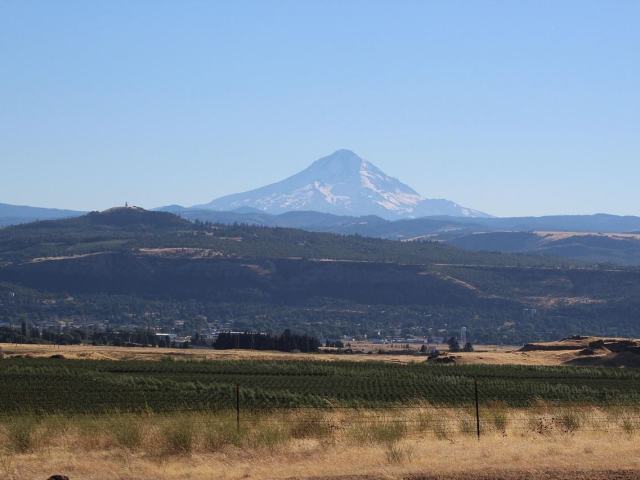
The name is a misnomer. The area is neither red nor mountainous, with elevations ranging from 500 feet to 1,500 feet, and it is really an anticline of the Yakima Fold Belt. It does take on a reddish hue in springtime as the cheatgrass changes color, as the commission’s profile explains.
From Seattle it is a real trip across the mountains. Matthews Winery places Red Mountain just over 200 miles southeast of Seattle and 70 miles northwest of Walla Walla, so it pairs naturally with a read on walla walla wine if you are planning a tasting route.
Why do small berries make bold wine?
It starts in the ground. The soil is sandy loam and gravel with a high pH and a rich calcium carbonate content, per the Washington State Wine Commission.
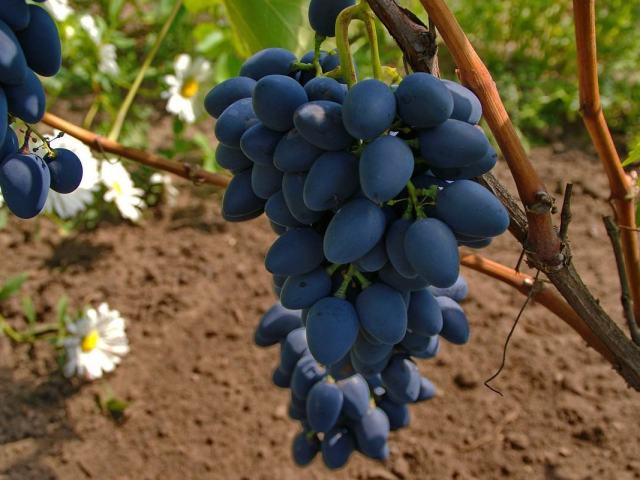
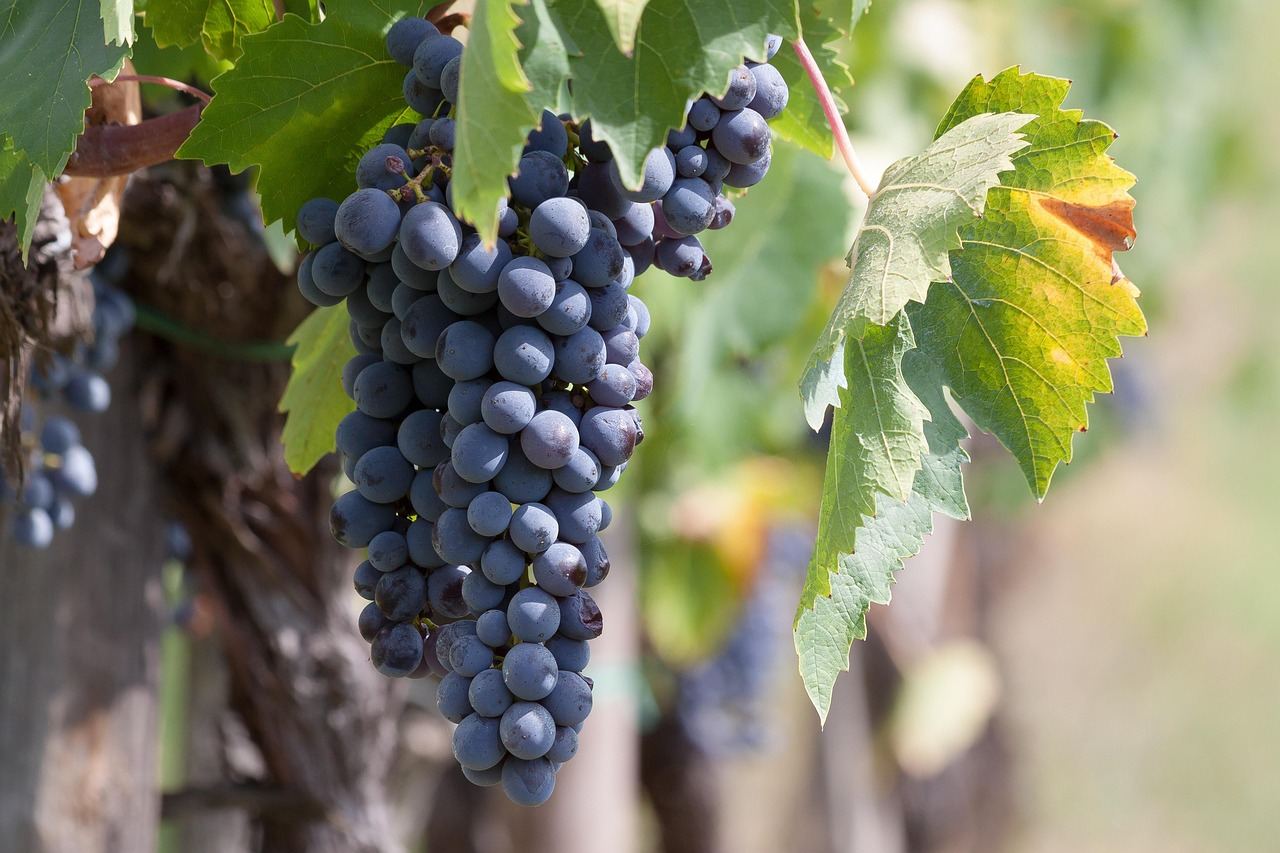
That lean soil matters. A lack of nutrients along with the high pH reduces the vigor of the vines, resulting in significantly smaller berry sizes compared to varietal norms. Smaller berries mean more skin relative to juice, and skin is where colour and tannin live.
Wind adds to it. Matthews Winery says the high-velocity winds result in thick grape skin, making for good tannin, flavor and color concentration.
Winemakers treat this as a balancing act. Hal Iverson, writing on the Matthews Winery page, notes that it can be easy to over-extract and create intensely tannic, brooding, and unapproachable wines.
How do heat, wind and cold nights shape the grapes?
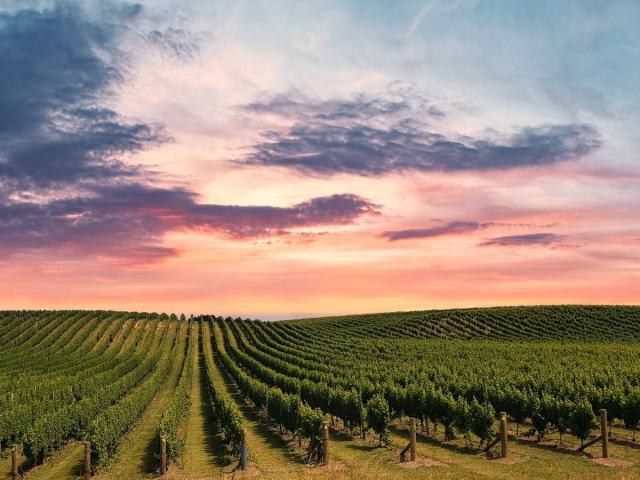
Red Mountain is one of Washington’s warmest appellations, with broad, southwest-facing slopes that soak up the summer sun. Four climate factors do most of the work:
- Heat: warm temperatures let red varieties ripen well, which is why reds dominate.
- Dryness: average annual precipitation is 5 inches, and the region is very dry compared to other parts of the Columbia Valley.
- Cold nights: nighttime temperatures often drop as much as 40 degrees Fahrenheit, which helps preserve acid in the grapes.
- The Yakima River: it moderates temperatures and provides continual airflow, guarding against frost that can be problematic in nearby areas.
All four points come from the commission’s AVA profile. The result is ripe fruit that still keeps freshness.
That dry climate has a catch. Wikipedia’s Red Mountain entry notes that, like most of eastern Washington, the area sits in the rain shadow of the Cascade Range, so irrigation is essential and water rights are controlled by the state’s Department of Ecology.
Who planted it, and who buys the fruit?
The first vineyard on Red Mountain was planted in 1975, mainly as an experiment, according to Long Shadows. Kiona’s John Williams and Jim Holmes are named as the pioneers in Wikipedia’s history of the AVA.
Official recognition came later. The AVA was established in 2001 after a petition submitted by Lorne Jacobson of Hedges Cellars, as the same Wikipedia entry records.
Today the AVA has more than 15 wineries, yet a very large number of wineries elsewhere source fruit from Red Mountain vineyards, per the commission. In Washington Tasting Room’s October 2017 article, grower Scott Williams of Kiona said he sells grapes to more than 50 producers.
Big names have noticed too. In 2007, Chateau Ste Michelle and Marchesi Antinori invested 6.5 million dollars in the appellation to buy vineyards and set up a winery for their joint venture wine, Col Solare, according to Wikipedia.
What does red mountain wine taste like?
Expect Cabernet Sauvignon. It makes up 60% of plantings, and the top varieties are Cabernet Sauvignon, Merlot and Syrah, per the commission’s profile.
Matthews Winery describes the wines as typically full-bodied with dark red fruit characteristics, firm tannins, well-structured and slightly hedonistic. Winemaker Jesse Schmidt, quoted on the same page, says the best examples will age for decades. That is one winemaker’s view, not a guarantee for every bottle.
When you shop, a few habits help:
- Look for “Red Mountain” on the label. Williams told Washington Tasting Room that more wines are now AVA-designated and celebrate their Red Mountain heritage, rather than using the fruit only as a blending component.
- Expect firm tannin and a bold style, and plan food to match.
- Compare it with another Washington style side by side.
For that last step, a white makes a useful counterpoint. Wikipedia’s grape list for the AVA includes Riesling among its many varieties, though reds dominate, and our guide to washington riesling covers that style on its own terms.
Frequently asked questions
Is Red Mountain actually a mountain?
Show answer
No. The Washington State Wine Commission calls the name a misnomer, with elevations ranging from 500 feet to 1,500 feet. It is an anticline of the Yakima Fold Belt.
How big is the Red Mountain AVA?
Show answer
The total size is 4,040 acres, and 2,382 acres are under vine, per the commission’s profile. That makes it one of Washington’s smallest appellations.
Which grapes grow best on Red Mountain?
Show answer
Cabernet Sauvignon dominates at 60% of plantings. Merlot and Syrah are the other top varieties listed by the commission.
Why are Red Mountain tannins so firm?
Show answer
Lean, high-pH soil gives smaller berries, and persistent wind leads to thick skins. The commission says this also leads to higher tannin levels in many of the wines compared to other regions.